Why Water Pools on Driveways and What to Do About It
Many homeowners ask why water pools on driveways and what to do about it after heavy rain, snow melt, or winter weather. While standing water may seem minor, it can damage asphalt, concrete, and paver surfaces over time. Puddles can weaken the driveway base, increase cracking, create slippery areas, and make the surface look neglected.
Understanding why water pools on driveways and what to do about it helps you catch drainage problems early before they turn into expensive repairs. Most pooling issues can be corrected with the right assessment, repair, and maintenance.
Soil movement and seasonal moisture changes, as noted by Natural Resources Canada, can affect driveway stability over time.
Common Causes of Water Pooling
The most common reason water collects on a driveway is poor slope. A driveway should direct water away from the home and toward a safe drainage area. If the surface was installed without proper grading, rainwater settles in low areas.
Another reason why water pools on driveways and what to do about it becomes important is soil movement. Over time, the ground beneath a driveway can shift because of freeze-thaw cycles or erosion. When the base settles unevenly, dips form and collect water.
Why Standing Water Is a Serious Problem
Standing water is serious because it puts constant pressure on the driveway surface. On asphalt paving surfaces, moisture can enter small cracks and weaken the binder that holds the material together. In colder weather, trapped water freezes, expands, and causes cracks to spread.
Concrete surfaces can also suffer from moisture exposure. Water can contribute to scaling, staining, and cracking, especially when the surface is not protected with concrete sealant. Paver systems can shift if water washes away joint sand or weakens the base underneath. That is why water pools on driveways and what to do about it should never be ignored.
Signs Your Driveway Has a Drainage Problem
The first signs of a drainage problem are easy to spot. Water that remains for hours after rainfall is a warning sign. Low spots, spreading cracks, potholes, and surface staining can all point to poor drainage.
If the same area collects water repeatedly, the issue is likely related to slope, settling, or base movement. These signs help you understand why water pools on driveways and what to do about it before the driveway needs major repairs.
How to Fix Water Pooling on Asphalt Driveways
For asphalt driveways, the right solution depends on the surface condition. Minor low spots may be repaired with patching or leveling. If cracks are present, they should be filled before more water enters the surface.
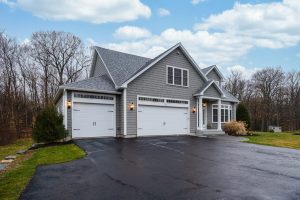
After repairs, asphalt sealant can help protect the driveway from future moisture penetration. If the asphalt is badly damaged, uneven, or breaking apart, complete asphalt paving may be the better long-term option.
How to Fix Water Pooling on Concrete and Pavers
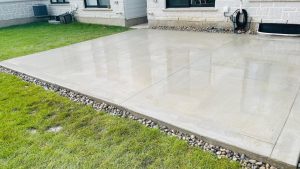
For concrete driveways, pooling may require lifting, leveling, grinding, or partial replacement. A professional can determine whether the issue is surface-level or caused by deeper base movement. Properly installed concrete driveways are designed with the right slope from the beginning.
For paver driveways, the repair process is often more flexible. Individual pavers can usually be lifted, the base can be corrected, and the surface can be re-leveled without replacing the entire driveway.
How to Prevent Water Pooling
Prevention is the best way to avoid future pooling. Keep driveway edges clear, remove debris from drainage paths, seal small cracks early, and inspect the surface after storms. Regular maintenance helps prevent water from entering weak spots.
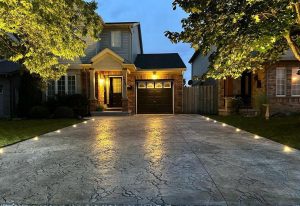
Professional installation also matters. A well-built driveway should include proper base preparation, compacted materials, and grading that moves water away from the home. You can view completed examples in the gallery to see how a properly finished surface should look.
When to Call a Professional
If puddles keep returning after rainfall, it may be time to call a professional. A driveway expert can identify whether the issue is poor grading, base failure, surface wear, or blocked drainage.
For help understanding why water pools on driveways and what to do about it, visit the FAQ section or contact us for a professional evaluation.
Final Thoughts
Knowing why water pools on driveways and what to do about it can save homeowners from costly repairs. Standing water damages asphalt, concrete, and paver surfaces when ignored, especially through seasonal weather changes.
Whether your driveway needs drainage correction, asphalt paving, concrete driveways, paver driveways, or protective sealing, taking action early is always the smarter investment. Homeowners who understand why water pools on driveways and what to do about it can prevent small puddles from becoming major repairs.
FAQ
Why does water pool on my driveway?
Water usually pools because of poor grading, low spots, soil movement, blocked drainage, or an uneven driveway base.
Can standing water damage asphalt?
Standing water can seep into cracks, weaken asphalt, and cause potholes, especially during freeze-thaw cycles.
Will sealant fix water pooling?
Sealant protects the surface from moisture, but it does not fix slope, grading, or base problems. This is why water pools on driveways and what to do about it requires proper inspection.
Can concrete driveways have drainage problems?
Concrete driveways can develop pooling if sections settle, crack, or were not graded correctly during installation.
When should I call a professional?
Call a professional if puddles stay after every storm, cracks are spreading, or the surface is sinking.